South Seattle College Launches Electric Vehicle Technician Training
Your phone gets software updates. So does your laptop. Now, so does your car.
Electric vehicles (EV) are showing up in driveways, on bus routes, and in fleets across Washington, and every one of them needs someone who knows how to keep it running safely.
Starting winter quarter 2027, South Seattle College is launching hands-on Electric Vehicle Technician training in Seattle. The 10-week certificate introduces students to electric and hybrid vehicle systems, EV diagnostics, high-voltage safety, and the technology powering today's electric vehicles.
Leading the class is instructor Joydeep Hazra, an electrical engineer, ASE xEV-certified EV specialist, and one of the original Tesla Model S owners in Washington.
Whether you're an automotive technician looking to expand your skills or a prospective student exploring a career in electric vehicle technology, here's what you need to know about the training, career opportunities, and how to get started.
What Will You Learn in South Seattle College's Electric Vehicle Technician Training?
Electric vehicle technician training teaches students how electric and hybrid vehicles operate, how to identify electrical hazards, and how to approach maintenance and diagnostics using industry-aligned procedures. At South Seattle College, students learn through classroom instruction and hands-on experiences with actual electric vehicles.
Get Hands-On Training with Real Electric Vehicles
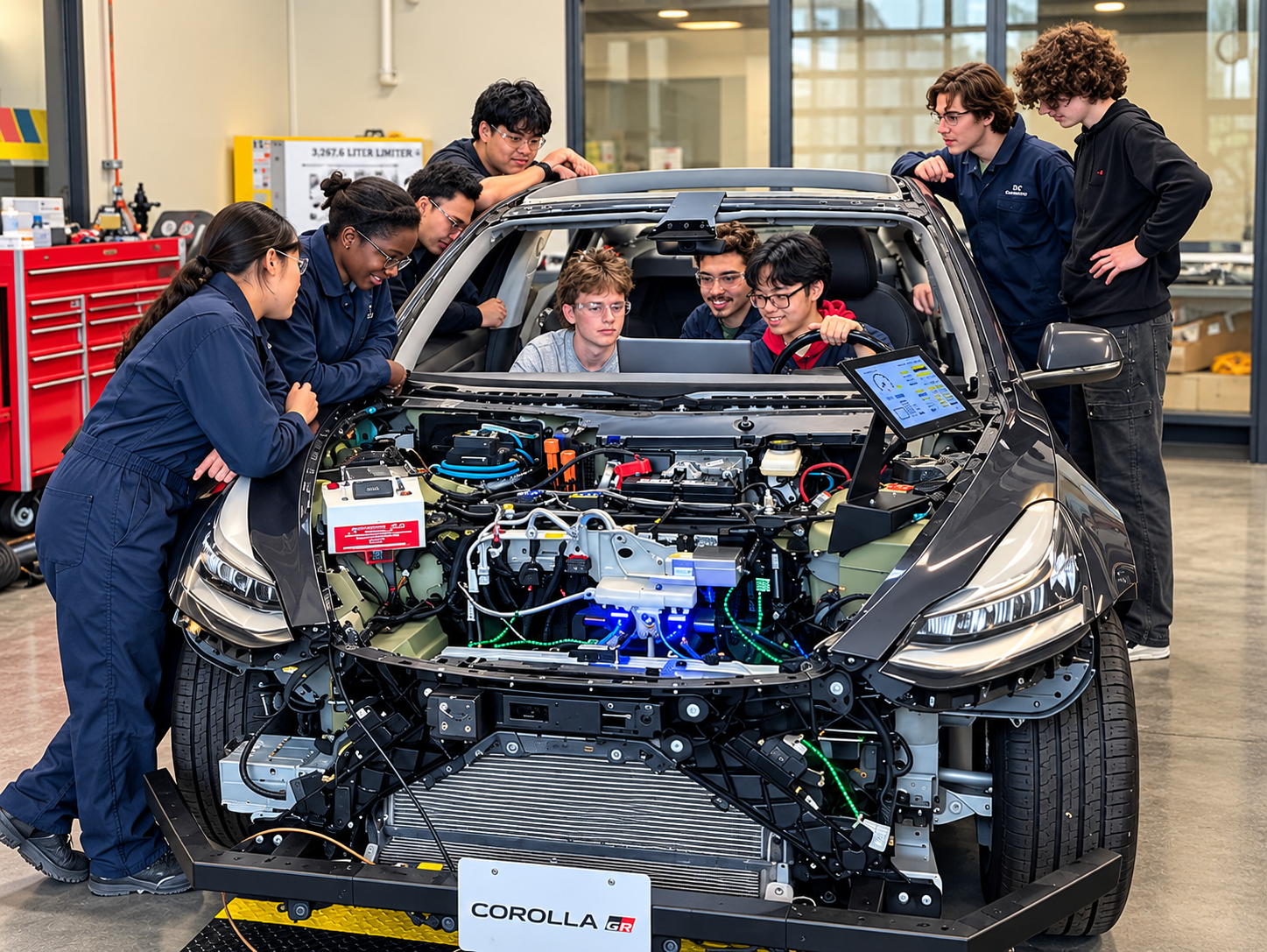
This isn't a class you take from a textbook. Students will sit inside and interact with real commercial EVs, including a Kia Niro, Nissan Leaf, Chevy Bolt, and Tesla Model 3, plus an early Mitsubishi i-MiEV, one of the first mass-produced electric cars.
The showstopper in the lab is a fully exposed Tesla Model 3. With the panels off, students can see every layer that makes an EV work: mechanical, electrical, electronic, software, and AI.
Students will explore how these interconnected systems power an electric vehicle and how EV technology differs from traditional gasoline-powered cars.
In the lab, students also get hands-on with:
- EV charging systems and charging infrastructure, including how chargers connect to vehicles
- High-voltage electrical systems and cabling, including color codes and electrical safety
- Electric vehicle diagnostic tools, including multimeters and specialized equipment
- Personal protective equipment (PPE) and safety procedures for working around EVs
- Electric vehicle batteries, drive systems, and electronic components
Why High-Voltage Safety Is Essential for EV Technicians
On day one, Joydeep teaches a mindset shift that surprises a lot of students.
"These cars are modular, simple computers with wheels," he says. "They're like smartphones with wheels. We don't open them up under normal circumstances."
That's why so much of the course focuses on systems knowledge and high-voltage safety.
"Safety is of the utmost importance for an EV technician," Joydeep explains. "There's a lot more to know about safety and systems than about opening the car and fixing it."
Unlike conventional vehicles, electric and hybrid vehicles contain high-voltage components that require specialized knowledge, equipment, and safety procedures. Learning to recognize these hazards is a critical part of electric vehicle technician training.
The course also covers how to inspect protective equipment, follow manufacturer-specific procedures, and safely approach EV maintenance and diagnostics.
By the end of the 10-week course, students will have developed knowledge of EV batteries, electrical systems, charging technology, and high-voltage safety practices. The training is also designed to help students prepare for ASE xEV safety certification exams.
Who Can Enroll in Electric Vehicle Technician Training?
South Seattle College's Electric Vehicle Technician Certificate is designed for students and automotive professionals who want to develop specialized skills in electric and hybrid vehicle technology.
"This class is for anyone with a foundation or interest in automotive technology who wants to expand their skills and learn how to work safely with electric vehicles," Joydeep says.
The subject appeals to a wide range of learners, including:
- Current Automotive Technology students who want to add electric and hybrid vehicle skills to their training
- Working automotive technicians interested in expanding their knowledge of EV systems and high-voltage safety
- Experienced automotive professionals looking to prepare for evolving vehicle technology
- Prospective students and career changers interested in exploring an innovative automotive technology pathway
Do you need automotive experience to enroll?
For direct entry into AUT 202, South Seattle College currently requires completion of AUT 100 (Introduction to Electricity) or qualifying automotive industry experience with instructor permission. Students without those prerequisites can explore the college's Automotive Technology program to build the necessary foundation.
"You don't have to be a car expert. As long as you know what a car is, basic auto knowledge combined with a desire to learn is enough," Joydeep says.
That curiosity can be the starting point. From there, the college's Welcome Center team can help prospective students new to the automotive industry enroll in Auto 100, the prerequisite to the EV Tech training. For prospective students with industry experience, Joydeep recommends they connect with him to discuss their path and the option to start EV training without taking the prerequisite class.
Why Electric Vehicle Technician Training Matters in Washington State
EVs aren't coming. They're here now.
As electric and hybrid vehicles become a more familiar part of Washington's transportation landscape, automotive service professionals need to understand the differences between traditional combustion engines and newer electric powertrains.
For technicians, that means learning about battery systems, charging equipment, electronic controls, diagnostic technology, and specialized safety procedures.
The service network hasn't caught up.
"There are hardly any EV service shops outside big cities," Joydeep says, "and demand is growing in smaller towns because customers need support everywhere."
Joydeep sees opportunities for technicians with EV knowledge at dealerships, repair shops, fleet maintenance facilities, and businesses that support electric transportation.
And it's not just cars. Electric propulsion technology is also being used in buses, commercial vehicles, and industrial equipment, creating a broader need for workers who understand electrical and mechanical systems.
"Today an EV isn't just a car," Joydeep says. "It can be a forklift, fire truck, ambulance, plane, boat, motorcycle, drone, or even a humanoid robot."
For students considering automotive careers in Seattle and throughout Washington, learning EV technology can be one way to prepare for the transportation industry's changing technical requirements.
Meet Your Electric Vehicle Instructor: Joydeep Hazra
Joydeep Hazra has been living the EV life since before most people had seen one.
In 2015, he bought one of the original Tesla Model S cars, built in Tesla’s first factory in Fremont, California. Along with his wife and a handful of original Tesla owners, he went on to co-found the Tesla Owners Club of Washington, working with Tesla to educate new owners, connect service centers with drivers, and run workshops and seminars.
He brings an electrical engineering background, ASE xEV Level 1 and Level 2 certifications, and more than a decade of hands-on Tesla knowledge to the classroom.
"As an electrical engineer, I understood these cars are computers on wheels and must be handled like an iPhone," he says.
What he loves most about teaching is passing along the kind of insider knowledge you can't find in a manual.
"The most fun part of teaching is sharing so much tribal and user knowledge with students," he says.
Joydeep also helps students understand how electric vehicle technology continues to evolve. From software updates and vehicle connectivity to electronic diagnostics and cybersecurity, today's EV technicians need to think beyond traditional mechanical repairs.
His summary of EVs? "They're fast, silent, and fun."
What Certifications and Careers Can EV Technician Training Lead To?
South Seattle College's Electric Vehicle Technician training is designed to prepare students with knowledge relevant to two industry-recognized Automotive Service Excellence (ASE) electric vehicle safety certifications.
ASE xEV Level 1: Electrical Safety Awareness
The ASE xEV Level 1 certification focuses on electrical safety awareness for people who work on or around electric and hybrid vehicles, including individuals who do not directly service high-voltage systems.
Joydeep says it can open doors to roles like service advisor, sales assistant, or front desk at an EV dealership.
ASE xEV Level 2: Technician Electrical Safety
The ASE xEV Level 2 certification is intended for service professionals and technicians with high-voltage training who need to understand electrical hazards, protective equipment, and safe practices for working with EV systems.
With Level 2, Joydeep sees a path to service teams at EV makers like Lucid, Tesla, and Rivian, and at dealerships, with room to grow into the technician workforce the industry needs.
Students must complete the applicable ASE assessment requirements to earn certification. Completing the South Seattle College course does not automatically award ASE certification or guarantee employment.
Where Can Electric Vehicle Technician Skills Take You?
Electric vehicle training can complement preparation for careers and work settings such as:
- Automotive service technicians and mechanics
- Electric and hybrid vehicle maintenance teams
- Automotive dealership service departments
- Fleet and commercial vehicle maintenance
- Transportation electrical and electronic equipment service
The class also builds skills that travel well beyond the auto shop. Because students study mechanical, electrical, and electronic systems together, the foundational knowledge may be useful in other technology-focused industries. Additional training or credentials may be required for specialized roles.
For current students, it's a great extension of South's Automotive Technology program, adding EVs to the kinds of vehicles and customers you're ready to serve. For newcomers, it's a fresh way into the automotive technology field.
Electric Vehicle Technician Training: Winter 2027 Course Details
South Seattle College's Electric Vehicle Technician Certificate includes AUT 202, a 10-week course focused on electric and hybrid vehicle technology.
Program: Electric Vehicle Technician Certificate
- Course: AUT 202: Electric & Hybrid Vehicle Technician Certificate
- Location: South Seattle College, Seattle, Washington
- Start date: January 4, 2027 (Mon-Thurs, 4:30- 7:30 pm)
- Length: 10 weeks
- Format: In-person instruction and hands-on lab training, with online learning components described in the course information
- Credits: 7.5
Students interested in enrolling should review the program prerequisites, course requirements, and registration steps before applying.
Frequently Asked Questions About Electric Vehicle Technician Training
How long does it take to complete EV technician training at South Seattle College?
The college offers a 10-week Electric Vehicle Technician course during winter quarter. Students should confirm all certificate requirements and any prerequisites before enrolling.
Do I need to be a mechanic to take the EV technician course?
You do not necessarily need to be a working mechanic, but direct enrollment in AUT 202 requires AUT 100 or qualifying automotive experience with instructor permission. Students without that background can begin by exploring the Automotive Technology program.
Interested students can also contact Joydeep directly to explore options.
Does the program include hands-on electric vehicle training?
Yes. Students work with real electric vehicles and learn about battery systems, charging technology, electrical safety, and diagnostic equipment through hands-on lab experiences.
Will I earn ASE certification after completing the course?
The course helps prepare students for the ASE xEV Level 1 and Level 2 safety certification exams. ASE certification requires successfully completing the applicable assessments and is separate from completing the college course.
Where can I find electric vehicle technician training in Seattle?
South Seattle College offers electric and hybrid vehicle training through its Automotive Technology program in Seattle, Washington. Prospective students can review the Electric Vehicle Technician Certificate requirements and enrollment instructions on the college website.
Ready to Plug In? Explore EV Technician Training at South Seattle College
Electric vehicles are changing the automotive industry, and trained technicians are an important part of keeping that technology operating safely.
Whether you're building on existing automotive experience or exploring your next step in technical education, South Seattle College offers a hands-on opportunity to learn more about electric and hybrid vehicles.
Explore the Electric Vehicle Technician Certificate and learn how to enroll.